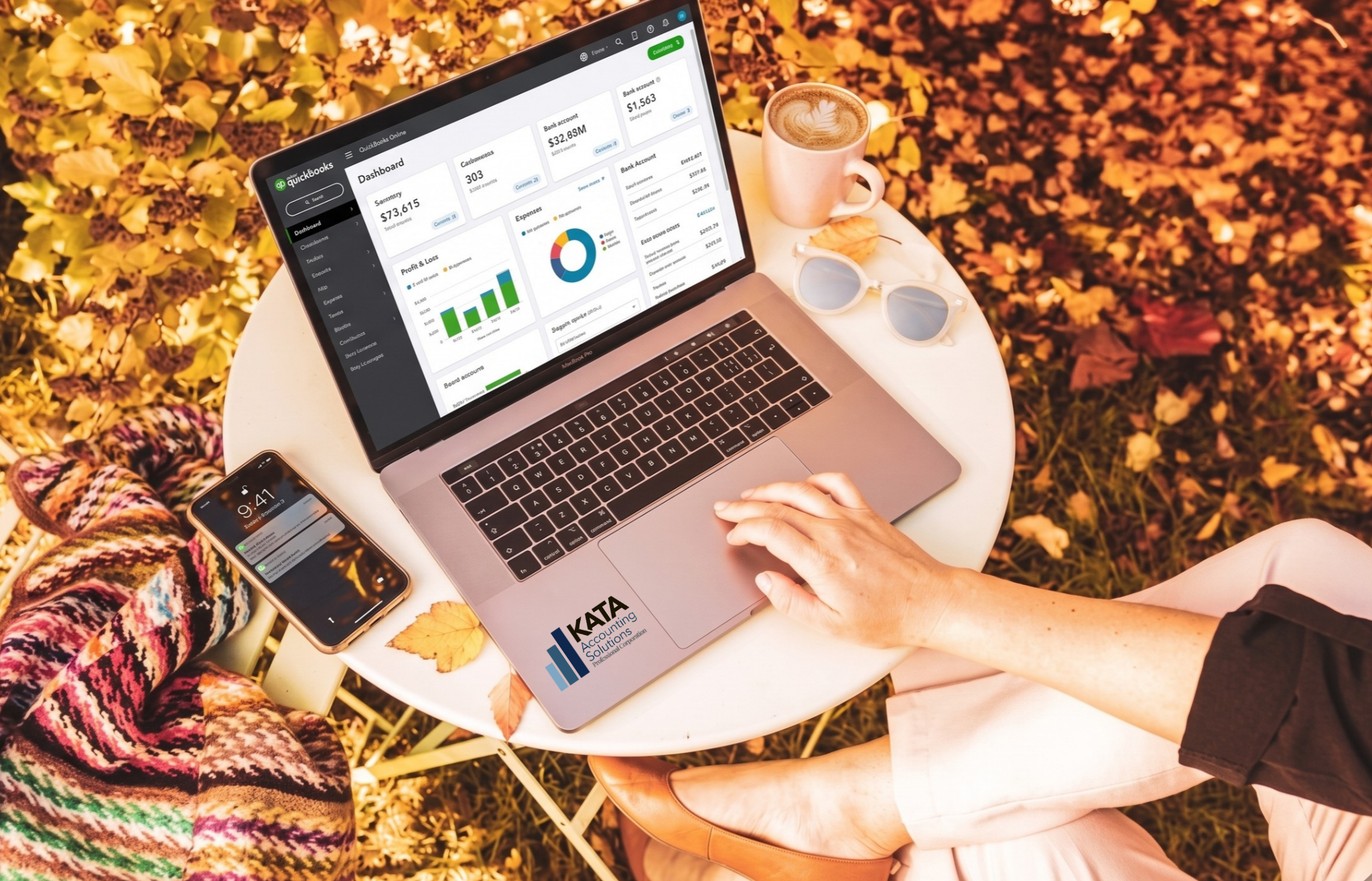
Managing Cash Flow as Business Picks Up in Fall
Fall often brings a fresh wave of activity for businesses. Summer vacations are winding down, clients are getting back into their regular routines, and projects that were on hold may start moving again.
More work is exciting, but a busier season can also put pressure on your cash flow. When money is coming in and going out at different times, it’s easy to feel like you’re doing well on paper while still wondering where the cash went.
A little planning now can make the months ahead much easier to manage.
Why Revenue Doesn’t Always Mean Cash in the Bank
Making a sale is great, but it doesn’t always mean you’ve been paid.
For example, you might send a $5,000 invoice in September, but your client may not pay until October or November. You’ve earned the revenue, but the money isn’t available in your bank account yet.
At the same time, your own bills may be due sooner. Payroll, rent, software subscriptions, suppliers, loan payments, and other expenses still need to be paid.
This timing gap can catch business owners off guard.
One of the simplest ways to stay ahead is to regularly look at what money you expect to receive and what needs to be paid over the next few weeks. Knowing what’s coming can help you make better decisions before a cash crunch becomes a problem.
Simple Ways to Improve Your Receivables Process
Getting paid on time doesn’t have to mean chasing clients or making relationships uncomfortable. Often, a few small changes can make a noticeable difference.
Start by sending invoices promptly. The sooner an invoice goes out, the sooner the payment clock starts.
Make sure your invoices are easy to understand and include everything your client needs to pay you. Clear payment terms and convenient payment options can also remove unnecessary delays.
It can also help to make checking outstanding invoices part of your regular routine. A quick weekly review lets you spot overdue payments early rather than discovering a problem when you need the cash.
And when a payment is late, a friendly reminder is often all it takes. A simple check-in can go a long way.
Plan for Upcoming Expenses and Tax Obligations
A busy fall can make it tempting to focus on today’s sales and worry about future expenses later. But setting money aside as it comes in can make a big difference.
Take a look at the expenses you already know are coming. This might include year-end purchases, insurance, annual subscriptions, payroll, professional fees, or tax payments.
Consider setting aside a portion of your incoming cash for these obligations instead of treating your full bank balance as available spending money.
It can also help to keep tax money separate from everyday operating funds. When tax deadlines arrive, you’ll be much more comfortable knowing the money is already there.
Tools and Habits That Keep Cash Flow Predictable
You don’t need a complicated system to get better control of your cash flow. Consistency matters more than complexity.
A simple cash flow spreadsheet, bookkeeping software, or regular bank review can help you keep track of what’s coming in, what’s going out, and what’s still outstanding.
Set aside a little time each week to review your numbers. Look at unpaid invoices, upcoming bills, and your current bank balance. If something looks different from what you expected, you’ll have a chance to adjust early.
As business picks up this fall, give your cash flow the same attention you give your sales. Staying aware of the timing of your money can help you make decisions with more confidence and enjoy the busy season without constantly wondering what’s waiting around the corner.
A little support can make a big difference. If you’d like a clearer picture of where your cash is going and how to prepare for the months ahead, KATA can help you make sense of the numbers and build simple habits that work for your business. Sometimes, knowing what to look at is the first step toward feeling more in control.